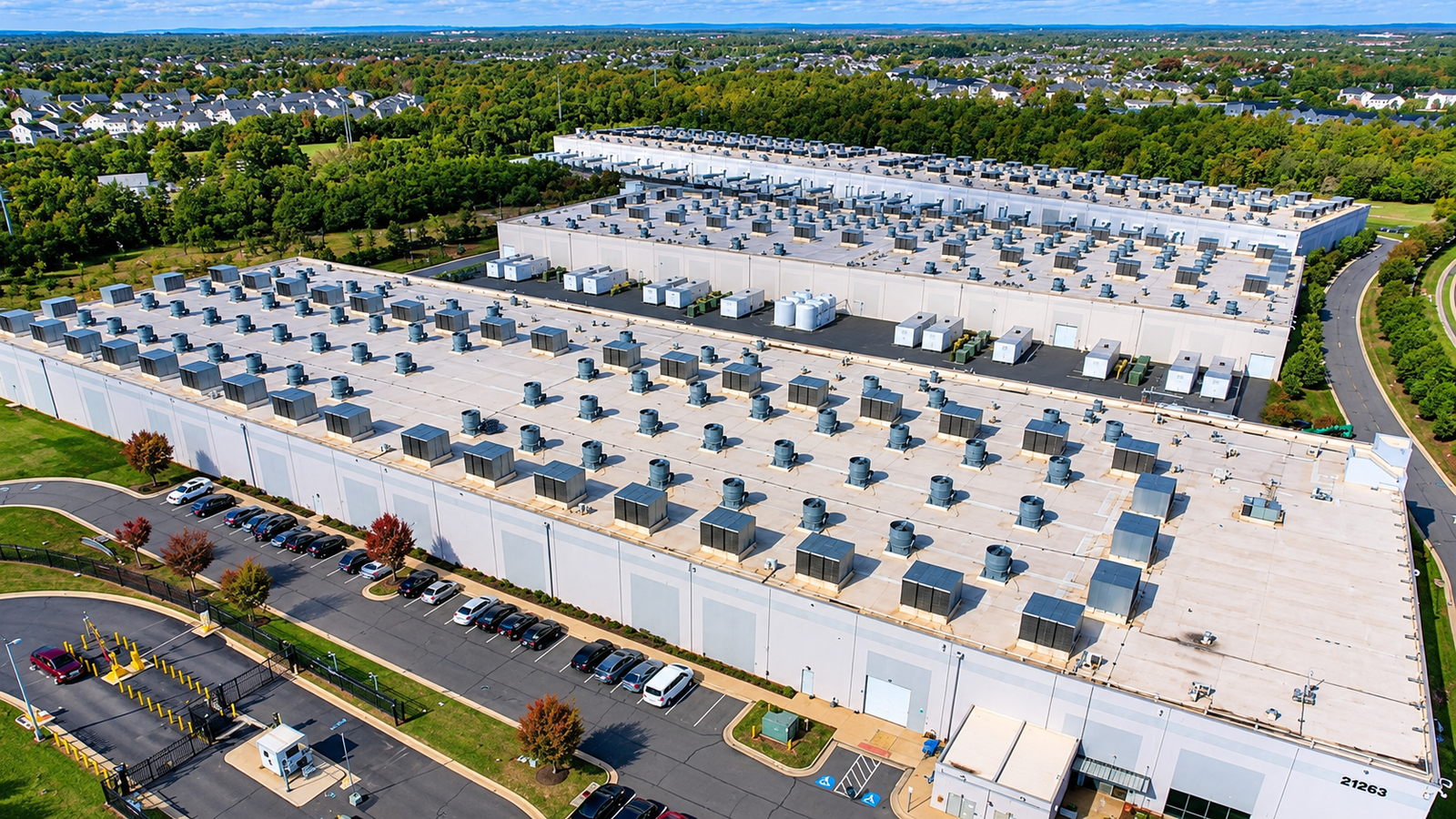
Concern about the debt financing America’s AI data center buildout is growing, according to Reuters reports published Nov. 9 and Nov. 10. Banks and investors are reassessing how much more exposure to take on after a sharp stock market selloff last week. The reports did not describe any defaults.
Key Highlights
- The Nasdaq 100 lost $2.5 trillion in market value on Thursday and entered a correction, Reuters reported.
- Some banks that recently funded AI deals are reluctant to finance more, according to unnamed sources cited by Reuters.
- U.S. high-yield credit spreads widened to 348 basis points, the widest since May 2025, per ICE BofA data cited by Reuters.
- Goldman Sachs Research projects hyperscaler debt issuance of $420 billion in 2027, up from about $250 billion estimated for fiscal 2026.
Lenders Grow More Cautious
Reuters reported that some banks now say they are wary of financing more AI projects, even with guarantees from major tech companies. The lenders were not named. Reuters said the hesitation extended to deals backstopped by Anthropic and Google, both of which declined to comment.
Chris Poggi, a finance partner at Ropes & Gray, described “unbridled enthusiasm” for lending to AI cloud providers over the past year. He said debt investors’ books have become full, according to Reuters.
Jay Bala, CEO of asset manager AIP, said most banks and credit investors will take a “wait and see approach” to how AI growth fares after the midterms, Reuters reported.
What Credit Markets Are Showing
Reuters reported that high-yield spreads narrowed to 342 basis points on Friday from Thursday’s 348. Single-B spreads widened 35 basis points to 367, their highest since March.
Bonds sold by a Galaxy Digital data center unit fell to 89.25 cents on the dollar on Nov. 5. Reuters said the yield rose to about 13% from 9.875% when the B+ rated debt was sold in late July. The 13% figure is Reuters’ calculation.
Bank of America analyst Yuri Seliger said spreads on 10-year hyperscaler debt have widened about 50 basis points this year, compared with about 20 for high-quality non-AI industrial companies, Reuters reported.
Bank Exposure and Stocks
JPMorgan held $29 billion in data-center-related property loans at the end of the third quarter, or 12% of its commercial real estate loans, up from 8% three years earlier, according to Reuters.
CoreWeave’s stock is down 35% this year, Reuters said. A separate Bloomberg report, cited by The Standard of Hong Kong, said ING put about $500 million of data center loans up for sale. Only the headline of that report was available for review.
Politics and Oversight
Reuters reported that Democrats plan to introduce legislation targeting AI systems and data center development when they take control of Congress in January. It did not detail specific bills.
Abiel Reinhart, a J.P. Morgan senior economist, said, “Any slowdown in the pace of data center development has the potential to materially slow overall business investment,” Reuters reported.
Is the Boom Slowing?
Investors are split. Ali Hassan of Thornburg Investment Management said appetite is “more cautious and more discriminating,” according to Reuters. Ben Emons of FedWatch Advisors said, “AI is not going to slow down.”
Karen Choi of Capital Group said regulatory uncertainty is unlikely to change 2027 spending and issuance much, since projects are already underway, Reuters reported.
What Is Still Uncertain
Many of the lender claims rest on unnamed sources. Baird Equity Research said Oracle and CoreWeave could be affected by construction delays or moratoriums, which is a possibility rather than a confirmed impact, Reuters reported.
The Reuters piece also noted that some planned data center and chip bond offerings have been shelved. Market figures change quickly and should be checked against live data. For background, see our report on the AI data center backlash after the midterms.
Watch: AI Selloff and Data Center Risks
Video: “AI Selloff Exposes Data Center Boom Risks” (YouTube).