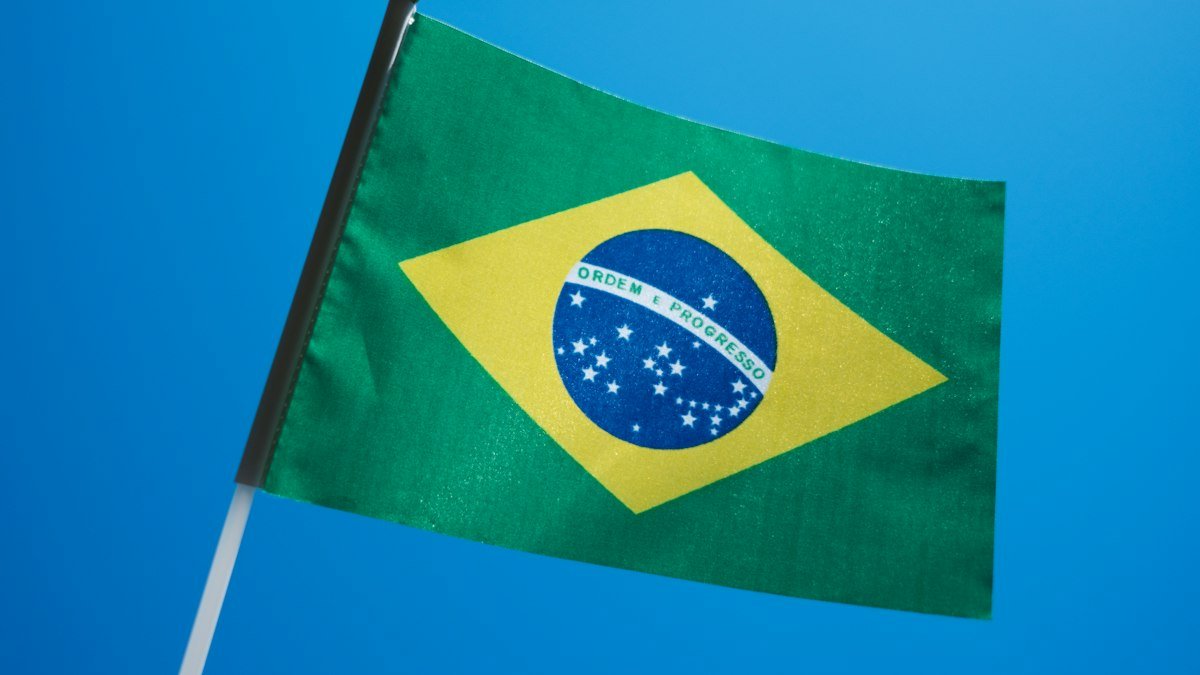
Brazilian President Luiz Inácio Lula da Silva won re-election in the October 25 presidential runoff, defeating Senator Flávio Bolsonaro, according to Brazil’s Superior Electoral Court (TSE). The official tally gave Lula 51.79% of valid votes and Bolsonaro 48.21%, confirming a close result after Bolsonaro led the first round.
Key Highlights
- The TSE reported Lula received 64,256,232 votes, or 51.79% of valid votes.
- Flávio Bolsonaro received 59,826,041 votes, or 48.21%, according to the electoral authority.
- Lula’s fourth, nonconsecutive presidential term is scheduled to begin on January 5, 2027.
- Bolsonaro disputed the voting-hours extension and called for the result to be annulled, according to news reports; any formal legal challenge and its outcome should be tracked separately.
Official Results Confirm Lula’s Comeback
The TSE announced Lula’s re-election on October 25. Its published results show that Lula won by about 4.43 million votes. The result reversed the first-round outcome: Flávio Bolsonaro finished ahead on October 4, with 47.03% of valid votes to Lula’s 45.16%, according to the TSE’s earlier announcement.
The runoff drew more than 128 million voters from approximately 158.7 million registered voters, with turnout reported at around 80.8%. The TSE said voting hours were extended in some places after transport difficulties and heavy rain affected access to polling locations.
Bolsonaro Challenges the Circumstances of the Vote
News reports said Bolsonaro refused to concede and objected to a judicial decision that extended voting hours by two hours in some locations. Both campaigns had raised concerns about voters’ access to polling stations, while the extension was linked to transport problems and weather conditions.
The TSE declared Lula the winner. A dispute over the voting schedule does not by itself establish that the result was fraudulent. Any formal petition, evidence submitted to the courts, or judicial ruling should be reported only when confirmed by reliable sources. For more U.S. political coverage, see our report on Trump’s Michigan rally and the wider U.S. campaign trail.
International and Political Significance
Lula’s victory gives him a fourth, nonconsecutive term and marks a reversal from the first round. The result is likely to shape Brazil’s domestic policy and its relations with major partners, including the United States, China and neighboring Latin American countries. Recent U.S. foreign-policy decisions also affect wider diplomatic debates; read our coverage of the Russia sanctions waiver and its implications for oil prices and Ukraine.
International reactions varied, with several governments and leaders issuing congratulations. This article does not characterize the position of any government as official unless supported by a direct statement or reliable reporting.
What Happens Next?
Lula is scheduled to take office on January 5, 2027. Attention now turns to the transition, the administration’s policy priorities and any formal legal proceedings related to the election. The TSE remains the primary source for official vote totals and electoral decisions.
What to Watch
- Official statements or court filings concerning any challenge to the result.
- Announcements about Lula’s transition and policy priorities.
- Responses from Brazil’s key international partners.
Sources: Brazil’s Superior Electoral Court (TSE); The Associated Press; TSE first-round results.
This report prioritizes official electoral data and attributes disputed claims to the sources reporting them. It may be updated as new official information becomes available.