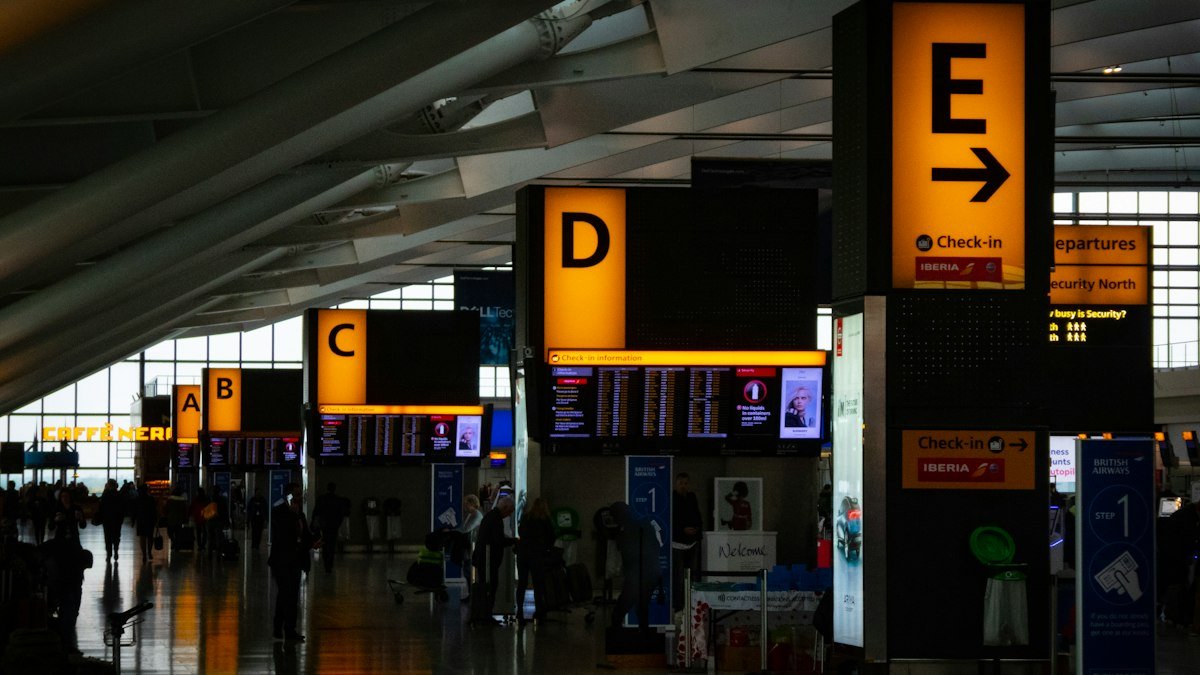
Saudi Arabia reopened Terminals 1 and 2 at King Khalid International Airport in Riyadh on Sunday, October 25, more than two weeks after a deadly Houthi missile strike put the airport out of service. The reopening came as Saudi forces reported intercepting more Houthi fire and the group renewed its threats.
Key Highlights
- Terminal 1 handles domestic flights and Terminal 2 handles international flights operated by national carriers, according to Arab News.
- Casualty figures for the early October strike differ: the Associated Press reported 17 killed, while Arab News reported 13.
- Saudi forces said they intercepted a Houthi ballistic missile and a drone early Sunday, the AP reported.
- The Houthis said the airport remains a military target, according to Nation Thailand.
What Has Reopened
The airport announced the arrangements on Saturday evening, Arab News reported. Terminal 1 is designated for domestic flights, and Terminal 2 for international flights operated by Saudi national carriers. Passengers were advised to confirm bookings with their airlines before traveling.
Limited domestic service resumed the previous week, according to the AP.
The Attack Behind the Closure
Operations were suspended after a Houthi-claimed attack on October 10, according to Gulf Business. The AP said the strikes hit a complex housing two other terminals, killing 17 people and wounding more than 330.
Arab News and Gulf Business reported 13 people killed and more than 300 injured. The numbers may reflect different counting dates, so this article reports both. Nation Thailand called it the deadliest attack in Saudi Arabia in more than a decade, and Arab News said it drew international condemnation.
Threats Continue
The AP said the Houthis kept firing drones and missiles toward the Saudi capital. Saudi military spokesman Maj. Gen. Turki al-Malki said forces intercepted and destroyed a ballistic missile and a drone early Sunday.
Nation Thailand reported that the Houthis renewed a warning for airlines, airport staff and travelers to avoid the airport, saying it remains a military target. That is a statement of intent from the group, not a confirmed plan.
The United States earlier ordered some diplomats and family members to leave its missions in Saudi Arabia, Reuters reported on October 22.
Why It Matters
The airport is the main aviation hub for the Saudi capital, so its status affects travel and business across the region. The same attacks have also unsettled energy markets. See our report on the market reaction to rising oil prices.
What Remains Uncertain
It is not clear how many flights will operate, or how quickly airlines will return. Gulf Business headlined a report saying some airlines have delayed Saudi services, with some routes pushed into 2027, though the details were not available in the excerpt reviewed. Casualty counts and the Houthis’ claims have not been independently reconciled in the reporting reviewed.
What to Watch Next
- Whether airlines restore regular Riyadh schedules.
- Further Houthi launches toward the capital.
- Updated travel advisories from governments.
Sources: The Associated Press (via The Korea Times), Arab News, Gulf Business, Nation Thailand, Reuters. This article will be updated as more information is confirmed.